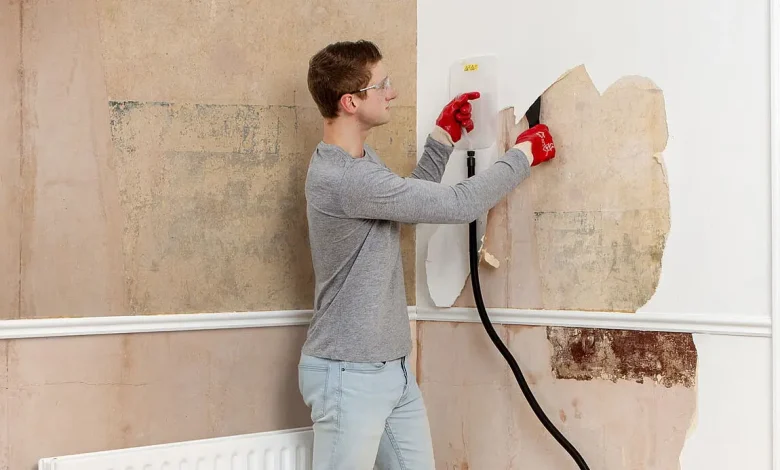
If you’ve ever picked at the corner of a wallpaper seam hoping it would peel away in one satisfying sheet — and instead watched it shred into a dozen soggy little scraps — you already know that removing wallpaper is rarely as easy as the home shows make it look. Knowing how to remove wallpaper properly is less about brute force and more about picking the right method for your wallpaper type, giving the adhesive time to release, and working in patient, manageable sections. Do it right and you’ll have clean, paint-ready walls. Do it wrong and you’ll spend a weekend gouging drywall and swearing at glue that won’t let go.
Quick answer: To remove wallpaper, first identify whether it’s peelable, strippable, or traditional. Then score the surface lightly, saturate it with hot water (or a hot water and fabric softener/vinegar solution), let it sit for 10–15 minutes, and peel or scrape it off in sections working from a top corner downward. Finish by washing off any leftover adhesive before painting or re-papering.
Before You Start: Identify Your Wallpaper Type
Every wallpaper removal method depends on one thing first: knowing what you’re dealing with. Skipping this step is the single biggest reason people end up fighting the wall for hours.
Peel at a loose corner or seam with a putty knife and pay attention to how it separates:
- Peel-and-stick wallpaper — comes away cleanly in full sheets, no water needed. This is the newest and easiest category.
- Strippable wallpaper — pulls off in large, intact pieces with a gentle, steady pull. Common in homes renovated in the last 15–20 years.
- Traditional (pasted) wallpaper — tears into smaller pieces and leaves a paper backing behind. This is what most older homes have, and it’s the category that requires water, steam, or a chemical stripper.
- Vinyl-coated wallpaper — the top layer peels off fairly easily, but a paper backing stays firmly stuck to the wall and resists water until it’s scored.
If you’re not sure which wall surface you’re working with, that matters too. Drywall (common in homes built in the last 50 years) has a hollow sound when tapped and a paper facing that can tear if over-scraped. Plaster, typical in older homes, sounds denser and can generally handle more scraping pressure and moisture without damage — though it’s not indestructible either.
What You’ll Need
You don’t need a garage full of specialty tools. Most of this list is either already in your house or available cheaply at a hardware store.
| Category | Items |
| Prep | Drop cloths, painter’s tape, gloves, safety glasses |
| Removal | Plastic putty knife or wallpaper scraper, wallpaper scoring tool |
| Solution | Spray bottle or pump sprayer, hot water, dish soap, white vinegar, or fabric softener |
| Optional | Wallpaper steamer, commercial stripper (like DIF or Piranha) |
| Cleanup | Sponges, bucket, trisodium phosphate (TSP) or a milder wall cleaner |
A quick safety note before you dive in: cut power to any outlets in the room and cover them with painter’s tape, since you’ll be spraying water directly onto the walls. Open a window or run a fan, especially if you’re using a chemical stripper or a steamer, both of which push a lot of moisture and fumes into the air.
How to Remove Wallpaper Step by Step
Here’s the process that works for the vast majority of traditional and vinyl-coated wallpaper — the two types that actually require real effort.
- Clear and protect the room. Move furniture out or to the center and cover it with plastic. Lay drop cloths along the floor and tape them to the baseboards so you’re not mopping up glue-water later.
- Test a corner. Before you commit to a full method, peel at a seam to confirm you’re dealing with traditional/vinyl wallpaper rather than an easy peel-and-stick or strippable type.
- Score the surface. Run a wallpaper scoring tool over the wall using light, even pressure. This perforates the top layer with tiny holes so your solution can actually reach the adhesive underneath instead of sitting on top of it. Go easy — pressing too hard can puncture the drywall’s paper face, which means a small repair job later.
- Apply your solution. Mix one of these in a spray bottle and saturate a 3-foot-wide section at a time:
- 1 part fabric softener to 1 part hot water
- 1/3 white vinegar to 2/3 hot water
- A few tablespoons of dish soap in a bottle of hot water
- Hot water is genuinely the active ingredient here — the additives help it cling and cut through the paste a bit faster, but water temperature matters more than which additive you pick.
- Let it sit, then check. Give it 10–15 minutes. Touch the wallpaper — if it feels soft and the glue underneath has started to loosen, you’re ready. If it’s still stiff, spray again and wait a bit longer rather than forcing it.
- Peel and scrape. Starting at a top corner, peel the wallpaper down at a low angle. Use a plastic putty knife (not metal — it gouges drywall far too easily) to lift any sections that won’t come off by hand.
- Move section by section. Resist the urge to soak the whole wall at once. Working in 3-foot strips keeps the solution from drying out before you get to it, and keeps the job from feeling overwhelming.
- Wash the wall. Once the paper is off, wipe down the wall with a sponge and warm soapy water (or a mild TSP solution) to remove any remaining tackiness. Let it dry fully — 24 hours is a safe window — before priming or painting.
An average 10×12 room typically takes anywhere from three hours to a full day, depending on wallpaper type, how many layers are on the wall, and how well the original installer prepped the surface before hanging it. If the wallpaper was applied directly onto unprimed drywall, expect the slow end of that range — the paste tends to bond more aggressively to raw drywall paper than to a primed surface.
Removing Wallpaper Without a Steamer
A steamer isn’t required — plenty of people get wallpaper off with nothing but hot water and patience. The trade-off is time: a steamer speeds up stubborn traditional wallpaper significantly, but it also introduces more moisture into the wall, which raises the risk of damage if you linger too long in one spot.
If you’re going the no-steamer route, lean harder on scoring and soak time. Score more thoroughly than you think you need to, use genuinely hot (not warm) water, and don’t rush the 10–15 minute soak window. It’s slower, but it’s also the gentlest method on drywall.
Method Comparison: Which Removal Approach Fits Your Situation
| Method | Best For | Approx. Cost | Time (per room) | Damage Risk |
| Hot water + dish soap/vinegar | Strippable or lightly-pasted wallpaper | Under $5 | 3–6 hours | Low |
| Fabric softener solution | Traditional paper, budget-friendly | Under $10 | 3–6 hours | Low |
| Commercial chemical stripper (DIF, Piranha) | Vinyl-coated or multi-layer wallpaper | $15–30 | 2–4 hours | Moderate (follow ventilation guidance) |
| Wallpaper steamer (rental) | Old, heavy, or multi-layer traditional paper | $27–$150 rental, ~$65 to buy | 2–4 hours | Moderate if over-applied |
| Professional removal | Large rooms, plaster concerns, time-crunched homeowners | Varies by region and square footage | Same-day for most rooms | Lowest (experienced hands) |
Cost figures for steamer rental and purchase are consistent with estimates reported by U.S. News & World Report’s real estate section, which is a useful benchmark if you’re deciding whether to rent, buy, or hire out the job.
Removing Leftover Wallpaper Glue
Getting the paper off is only half the job — leftover paste is the part that trips people up, because it can bubble back up through fresh paint if it’s not fully removed.
Wash the wall with warm water and dish soap using a sponge, working in small sections. For stubborn spots, a light re-application of your fabric softener or vinegar solution followed by gentle scraping with a plastic spatula usually finishes the job. Avoid metal scrapers here specifically — even a light touch with a metal blade can leave visible gouges in soft, wet drywall. Once the wall feels smooth and glue-free to the touch, let it dry for a full day before sanding lightly and priming.
Common Mistakes That Damage Walls
- Scraping before the wallpaper is wet enough. If you’re pressing hard, the adhesive hasn’t released yet — stop and re-wet instead of forcing it.
- Using a metal putty knife on drywall. It’s the fastest way to gouge a wall that will need patching before you paint.
- Over-soaking one spot. Drywall that stays wet for more than 15–20 minutes can soften and lose its paper facing, creating more repair work than the wallpaper ever caused.
- Skipping the corner test. Assuming you have traditional wallpaper when it’s actually strippable means unnecessary water, time, and mess.
- Painting over old glue residue. Even a thin film of leftover paste can bubble up under fresh paint months later — always wash and fully dry the wall first.
When to Hire a Professional
DIY removal makes sense for most single rooms, especially if the wallpaper is strippable or in reasonably good condition. It’s worth considering a professional if you’re dealing with plaster-and-lath walls in a historic home, multiple layers of old wallpaper stacked on top of each other, or a large square footage where the time cost outweighs the savings. Pricing varies widely by region and condition, so it’s worth getting a couple of local quotes before deciding — the U.S. News steamer-rental range above is a helpful reference point for comparing DIY costs against a quoted professional rate.
FAQs
What is the best homemade solution to remove wallpaper?
A mix of hot water and dish soap or fabric softener works well for most traditional wallpaper. The hot water is what actually softens the adhesive — the soap or softener just helps it spread evenly and cling to the surface a bit longer.
Does vinegar or fabric softener work better to remove wallpaper?
Both perform similarly in most cases. Vinegar is cheaper and has a stronger smell that fades once the wall dries; fabric softener leaves a milder scent. Try a small test patch with each if you’re unsure which you prefer.
How long does it take to remove wallpaper from one room?
Most average-sized rooms take three hours to a full day, depending on wallpaper type and how many layers are present. Peel-and-stick paper can take under an hour; old, multi-layered traditional wallpaper can stretch into a full weekend project.
Can you remove wallpaper without a steamer?
Yes. Hot water, scoring, and patience remove most wallpaper without a steamer — it just takes longer than steam-assisted removal, particularly on older, thicker paper.
How do you remove wallpaper glue from drywall without damaging it?
Wash the wall in small sections with warm soapy water, let the glue soften for a few minutes, then scrape gently with a plastic (not metal) scraper. Never let drywall stay soaked for more than 15–20 minutes at a time.
Is it worth paying someone to remove wallpaper, or should I DIY it?
For a single room with strippable wallpaper, DIY is usually worth it. For plaster walls, multiple layers, or large square footage, a professional’s speed and experience can offset the added cost.
How do you know if your wallpaper is strippable or not?
Peel at a loose seam or corner. If it comes away in one large, clean piece, it’s strippable. If it tears into smaller pieces or leaves a backing behind, it’s traditional or vinyl-coated and will need water or steam.
Can you paint over wallpaper instead of removing it?
Generally, no — paint seals the wallpaper’s seams and texture in place, making removal far harder later and leaving a visibly uneven painted surface. Removal is almost always the better long-term choice before painting.
Final Thoughts
Removing wallpaper isn’t glamorous work, but it’s genuinely doable without professional help in most homes — the real skill is matching your method to your wallpaper type and letting the water or steam do the heavy lifting instead of your arm. Identify what you’re working with, work in small sections, keep the wall from over-soaking, and don’t rush the glue cleanup at the end. If you take one thing from this guide, let it be this: patience removes wallpaper faster than force ever will. Ready to get started? Grab a putty knife, test a corner, and see what you’re dealing with — you’ll know within five minutes whether it’s a quick afternoon job or a weekend project worth planning around.